

What is the noise level of S688 Bearing during operation?
Jun 30, 2025
Leave a message
Hey there! As a supplier of S688 bearings, I often get asked about the noise level of these bearings during operation. It's a crucial aspect, especially for applications where quiet performance is a must. So, let's dive right into it and explore what affects the noise level of S688 bearings and how you can manage it.
Understanding the Basics of Bearing Noise
First off, it's important to know that some level of noise is normal when a bearing is in operation. Bearings are made up of moving parts - the inner and outer rings, balls or rollers, and the cage that holds them in place. As these parts interact with each other and the surrounding components, they generate vibrations, which in turn produce noise.
The noise level of a bearing is usually measured in decibels (dB). A lower dB value means less noise. For most industrial applications, a noise level below 70 dB is considered acceptable, but in some cases, like in precision machinery or quiet environments, even lower levels are required.
Factors Affecting the Noise Level of S688 Bearings
There are several factors that can influence the noise level of S688 bearings during operation. Let's take a closer look at each of them.
1. Manufacturing Quality
The quality of the manufacturing process plays a huge role in determining the noise level of a bearing. High - quality S688 bearings are made with precision. The surfaces of the inner and outer rings are ground to a very smooth finish, and the balls are perfectly spherical. Any imperfections in the manufacturing, such as rough surfaces or inconsistent ball sizes, can cause uneven contact between the parts, leading to increased noise.
For example, if the raceways of the bearing are not ground accurately, the balls will not roll smoothly, creating vibrations and noise. At our company, we use state - of the - art manufacturing techniques to ensure that our S688 bearings meet the highest quality standards, which helps to keep the noise level as low as possible.
2. Lubrication
Lubrication is another key factor. Proper lubrication reduces friction between the moving parts of the bearing, which in turn reduces noise. There are different types of lubricants available, such as grease and oil. Grease is a popular choice for many applications because it is easy to apply and can stay in place for a long time.
However, if the lubricant is not the right type or if it is not applied correctly, it can actually increase the noise level. For instance, if the grease is too thick, it can cause the bearing to work harder, generating more heat and noise. On the other hand, if the lubricant is too thin, it may not provide enough protection, leading to increased wear and noise.
We always recommend using the lubricant specified by the bearing manufacturer for optimal performance and noise reduction.
3. Installation
The way the S688 bearing is installed also affects its noise level. If the bearing is not installed correctly, it can be misaligned, which puts extra stress on the parts and causes noise. For example, if the bearing is pressed onto the shaft too tightly or not centered properly, it can cause the balls to roll unevenly, resulting in increased vibrations and noise.
During installation, it's important to use the right tools and follow the correct procedures. We provide detailed installation guides with our S688 bearings to help our customers ensure proper installation and minimize noise.
4. Operating Conditions
The operating conditions of the bearing can have a significant impact on its noise level. Factors such as speed, load, and temperature can all affect how the bearing performs. For example, if the bearing is operating at a very high speed, the centrifugal force on the balls can cause them to move more aggressively, increasing the noise level.
Similarly, if the bearing is under a heavy load, it can cause the parts to deform slightly, leading to uneven contact and increased noise. Temperature also plays a role. If the bearing gets too hot, the lubricant can break down, reducing its effectiveness and increasing noise.
Comparing S688 Bearing Noise with Other Bearings
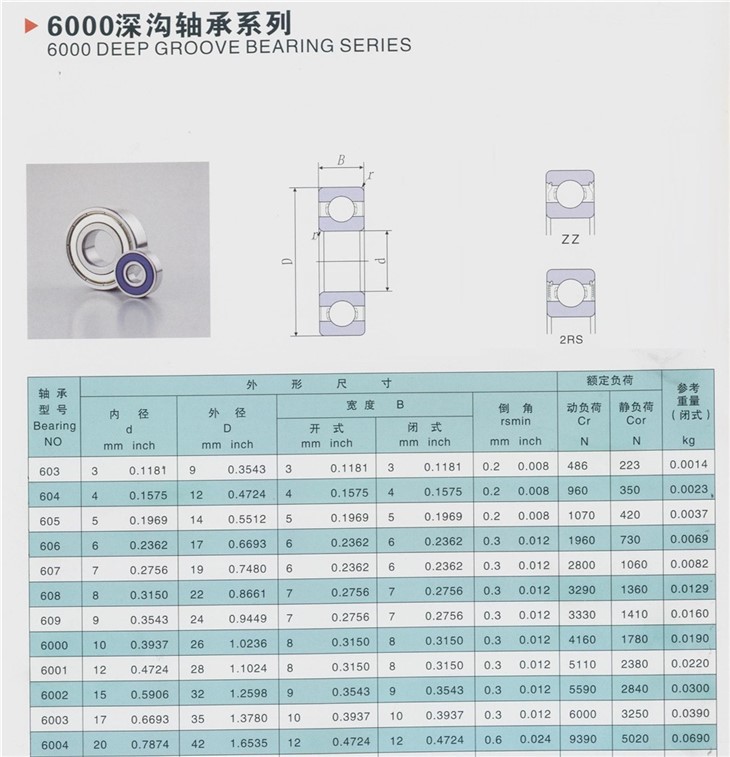
It's also interesting to compare the noise level of S688 bearings with other similar bearings in the market. For example, the S6000 Bearing and S636 Bearing are also popular stainless - steel deep - groove ball bearings.
The S688 bearing is designed for specific applications and has its own unique noise characteristics. In general, due to its design and manufacturing quality, it can offer a relatively low noise level compared to some other bearings. However, the actual noise level can still vary depending on the factors we discussed earlier.
Another bearing, the S696 Bearing, may have different noise performance based on its size and intended use. When choosing a bearing, it's important to consider not only the noise level but also other factors such as load capacity and speed rating.
Measuring and Controlling the Noise Level of S688 Bearings
If you're concerned about the noise level of your S688 bearing, there are ways to measure and control it.
Measuring the Noise Level
To measure the noise level of a bearing, you can use a sound level meter. Place the meter at a specific distance from the bearing (usually according to the measurement standards) and run the bearing at its normal operating speed. The meter will give you a reading in decibels, which you can then compare with the acceptable noise level for your application.
Controlling the Noise Level
If the noise level is higher than expected, there are several steps you can take to control it. First, check the lubrication. Make sure the right type of lubricant is being used and that it is at the correct level. If the lubricant is old or contaminated, replace it.
Second, inspect the installation. If the bearing is misaligned, realign it according to the installation guide. You may also need to check the shaft and housing for any damage or irregularities.
Finally, consider the operating conditions. If possible, reduce the speed or load on the bearing to see if it reduces the noise level.

Conclusion
In conclusion, the noise level of S688 bearings during operation is affected by several factors, including manufacturing quality, lubrication, installation, and operating conditions. As a supplier, we take great care to ensure that our S688 bearings are of the highest quality, which helps to keep the noise level low.
If you're in the market for S688 bearings or have any questions about their noise level or performance, feel free to reach out to us. We're here to help you find the right bearing for your application and ensure that it operates as quietly and efficiently as possible. Let's have a chat and see how we can work together to meet your bearing needs.
References
- "Bearing Technology Handbook" - A comprehensive guide on bearing design, manufacturing, and performance.
- Industry standards and specifications for bearing noise measurement and evaluation.