

Can the S605 Bearing be reused?
Oct 23, 2025
Leave a message
Hey there! As a supplier of S605 bearings, I often get asked whether these bearings can be reused. It's a valid question, especially when you're looking to save some bucks and be a bit more eco - friendly. So, let's dig into this topic and find out if reusing S605 bearings is a good idea.
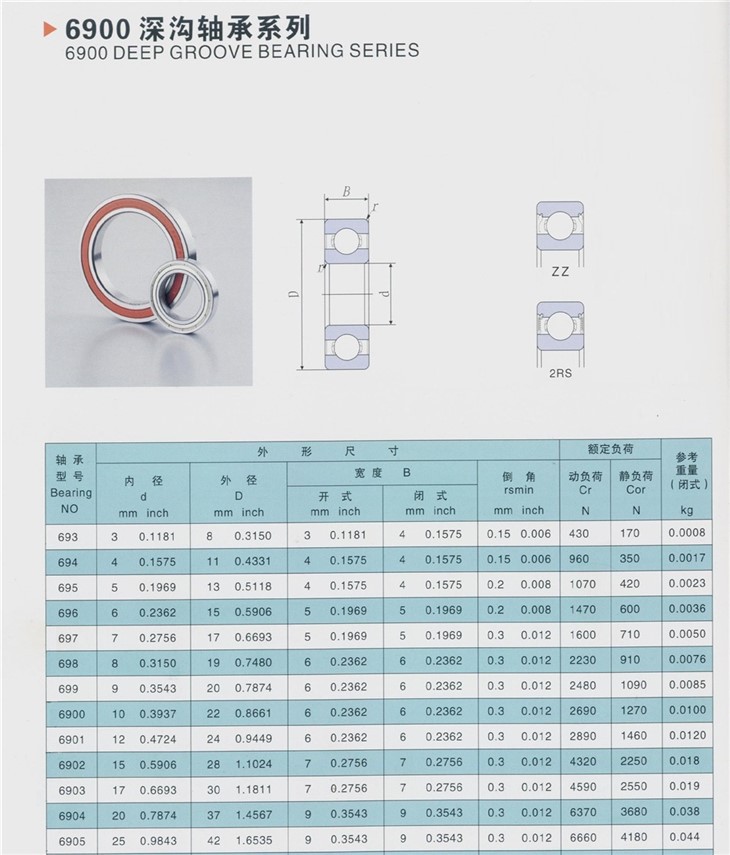
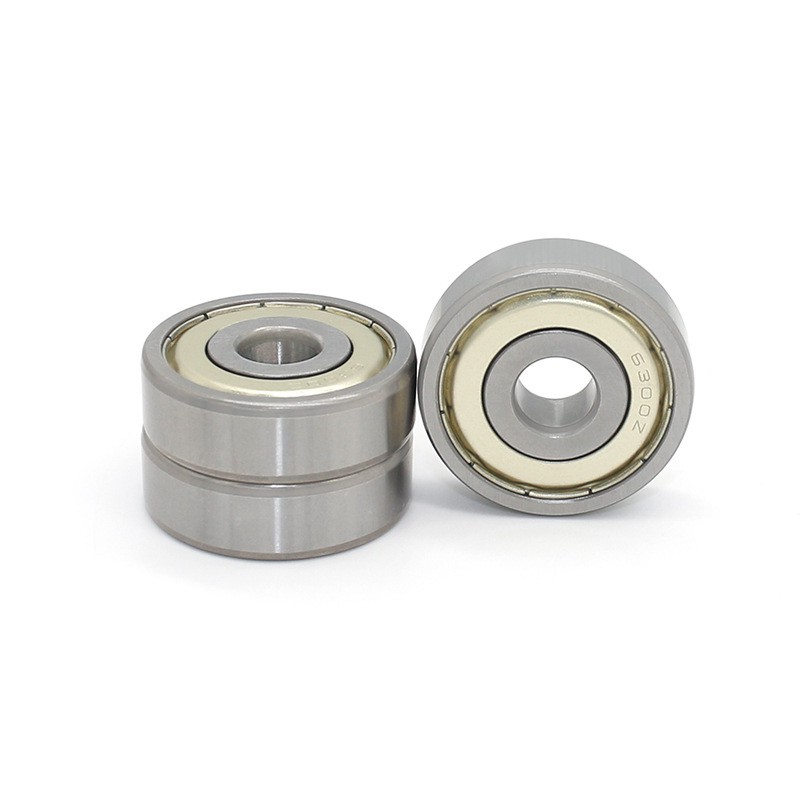
First off, let's understand what the S605 bearing is. It's a type of stainless - steel deep - groove ball bearing. These bearings are designed to handle both radial and axial loads, and they're commonly used in various applications, like small motors, conveyor systems, and some light - duty machinery. They're known for their durability and corrosion resistance, which is why they're so popular in many industries.
Now, to answer the big question: Can the S605 bearing be reused? Well, it depends on a few factors.
1. Condition of the Bearing
The most crucial factor is the current condition of the bearing. If the bearing has been in use for a long time and has visible signs of wear, such as pitting on the raceways, chipped balls, or excessive play, then reusing it is probably not a good idea. Pitting on the raceways can cause uneven loading on the balls, which leads to more wear and can eventually cause the bearing to fail. Chipped balls can also disrupt the smooth rotation of the bearing and increase friction. Excessive play means that the bearing is no longer holding its position accurately, which can affect the performance of the entire machine.
On the other hand, if the bearing has only been used for a short period and shows no signs of significant wear, it might be suitable for reuse. For example, if a machine was shut down due to a different component failure and the bearing was in good condition at that time, it could potentially be reused after a proper inspection.
2. Operating Conditions
The operating conditions under which the bearing was used also play a big role. If the bearing was exposed to harsh environments, like high temperatures, heavy dust, or corrosive chemicals, it's more likely to have suffered damage. High temperatures can cause the bearing material to expand and contract, which can lead to internal stresses and premature wear. Dust can get into the bearing and act as an abrasive, wearing down the raceways and balls. Corrosive chemicals can eat away at the bearing's surface, weakening its structure.
In contrast, if the bearing was used in a clean, well - lubricated, and moderate - temperature environment, it has a better chance of being reusable. For instance, a bearing used in an office - type setting, where there's little dust and the temperature is controlled, is more likely to be in good condition for reuse.
3. Inspection and Testing
Before deciding to reuse an S605 bearing, a thorough inspection and testing process is essential. You can start with a visual inspection to look for any obvious signs of damage. Use a magnifying glass if necessary to check for small cracks or pits. Then, you can perform a simple rotation test. Try to rotate the bearing by hand. If it rotates smoothly without any grinding or clicking noises, it's a good sign. However, if there's any resistance or abnormal noise, it indicates that there might be a problem.
For a more accurate assessment, you can use specialized equipment like a vibration analyzer. This device can detect any irregular vibrations in the bearing, which can be a sign of internal damage. You can also measure the bearing's dimensions to ensure that they're within the acceptable tolerance range. If the dimensions are off, it can affect the bearing's fit and performance.
Advantages of Reusing S605 Bearings
If the bearing passes all the checks and is deemed suitable for reuse, there are several advantages.
Cost Savings
One of the most obvious benefits is cost savings. Buying a new S605 bearing can be expensive, especially if you need multiple bearings for a large - scale project. Reusing a bearing that's still in good condition can significantly reduce your costs. You can use the money saved for other important aspects of your business, like upgrading other components or investing in new equipment.
Environmental Impact
Reusing bearings is also good for the environment. Manufacturing new bearings requires a significant amount of energy and resources. By reusing bearings, you're reducing the demand for new production, which in turn helps to conserve natural resources and reduce waste. It's a small step towards a more sustainable future.
Disadvantages of Reusing S605 Bearings
However, there are also some potential disadvantages.
Risk of Failure
Even if a bearing seems to be in good condition, there's always a risk of failure. Some internal damage might not be visible during a normal inspection. For example, there could be micro - cracks in the bearing material that could grow over time and cause the bearing to fail unexpectedly. This can lead to costly downtime for your machinery and potentially damage other components.
Performance Issues
Reused bearings might not perform as well as new ones. They might have slightly more friction, which can reduce the efficiency of the machine. This can result in increased energy consumption and lower productivity.
If you're in the market for S605 bearings or other related products, we've got you covered. We also offer a wide range of other bearings, such as the S6300 Bearing, S6805 Bearing, and S686 Bearing. Our team of experts can help you determine whether reusing a bearing is the right choice for your specific application or assist you in selecting the perfect new bearing.
If you have any questions or want to discuss your bearing needs, don't hesitate to reach out. We're here to help you make the best decision for your business. Whether it's about reusing an S605 bearing or purchasing a new one, we've got the knowledge and experience to guide you.
References
- "Bearing Handbook" by SKF
- "Mechanical Design and Manufacturing" textbooks