

What special considerations are there for using S696 Bearing in a vertical shaft?
Sep 16, 2025
Leave a message
Hey there! As a supplier of S696 Bearings, I've had my fair share of experiences and insights when it comes to using these bearings, especially in a vertical shaft setup. In this blog, I'll be diving into the special considerations you need to keep in mind when using S696 Bearings in a vertical shaft.

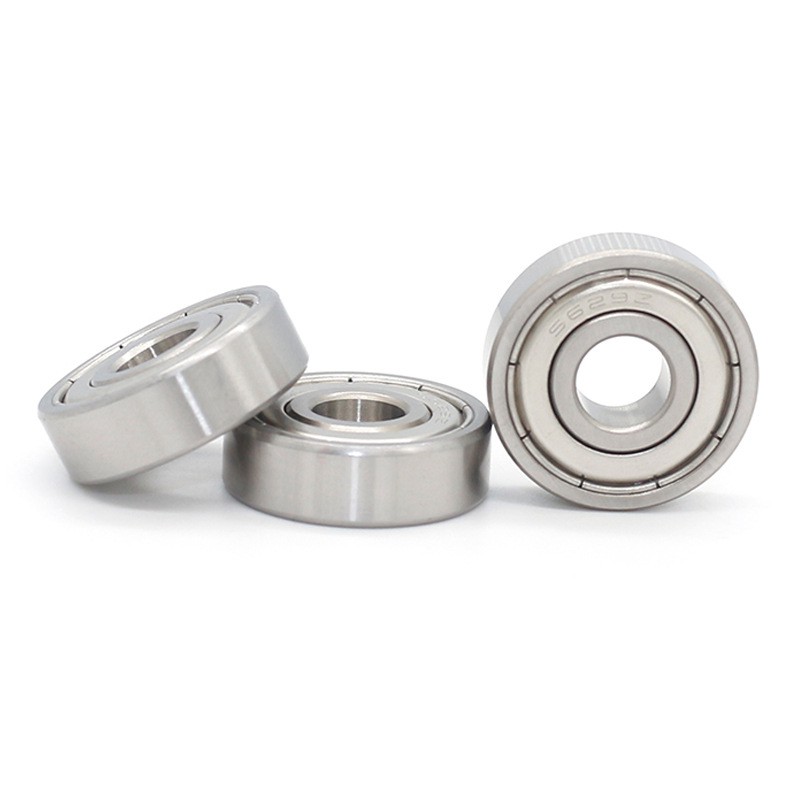
First off, let's talk about what makes the S696 Bearing a great choice. These bearings are known for their high - quality construction and reliable performance. They're designed to handle a decent amount of radial and axial loads, which is super important in many applications, including those with vertical shafts.
One of the most significant considerations when using an S696 Bearing in a vertical shaft is lubrication. In a vertical setup, gravity plays a major role. Lubricant tends to flow downwards, which can lead to insufficient lubrication at the upper part of the bearing. This lack of lubrication can cause increased friction, wear, and even overheating. To combat this, you need to choose a lubricant with the right viscosity and consistency. A high - viscosity grease might be a good option as it's less likely to run off quickly. Also, you may need to install additional lubrication systems, like an automatic grease dispenser, to ensure a continuous supply of lubricant to the bearing.
Another thing to think about is the axial load distribution. In a vertical shaft, the weight of the shaft and any attached components acts as an axial load on the bearing. The S696 Bearing can handle axial loads, but you need to make sure that the load is evenly distributed. Uneven axial loads can cause premature wear on one side of the bearing, reducing its lifespan. You can use shims or spacers to adjust the position of the bearing and ensure proper load distribution.
Now, let's touch on the issue of shaft alignment. Proper shaft alignment is crucial in any bearing application, but it's even more critical in a vertical shaft. Misaligned shafts can put extra stress on the S696 Bearing, leading to increased vibration and noise. This can also cause the bearing to wear out faster. You should use precision alignment tools, like laser alignment systems, to ensure that the shaft is perfectly vertical and aligned with the bearing.
Sealing is also a key factor. In a vertical shaft, contaminants such as dust, dirt, and moisture can easily enter the bearing from the top. These contaminants can cause abrasion and corrosion, which can damage the bearing. A good sealing system is essential to protect the S696 Bearing. You can use rubber seals or labyrinth seals to prevent contaminants from entering the bearing. Make sure to check the seals regularly for any signs of damage or wear and replace them if necessary.
When it comes to temperature management, a vertical shaft can present some unique challenges. Heat generated in the bearing can be harder to dissipate in a vertical setup compared to a horizontal one. This is because natural convection, which helps in heat transfer, is less effective in a vertical orientation. You may need to install cooling systems, like fans or heat sinks, to keep the bearing temperature within the recommended range.
Now, I want to mention some related bearings that you might also find useful. If you're looking for other options, you can check out the S6204 Bearing, S689 Bearing, and S629 Bearing. These bearings have their own unique features and can be suitable for different applications.
In conclusion, using an S696 Bearing in a vertical shaft requires careful consideration of several factors. From lubrication and load distribution to alignment and sealing, every aspect plays a vital role in ensuring the bearing's performance and longevity. If you're planning to use an S696 Bearing in a vertical shaft, make sure to take all these factors into account.
If you're interested in purchasing S696 Bearings or have any questions about their application in vertical shafts, don't hesitate to reach out. We're here to help you make the best choice for your specific needs. We can provide you with detailed product information, technical support, and competitive pricing. So, let's start a conversation and see how we can work together to meet your bearing requirements.
References:
- "Bearing Handbook" by SKF
- "Mechanical Design Engineering Handbook" by Myer Kutz